A Practical Review of the Teacher Heart Society Embroidery Design
When a design arrives labeled as a “vector,” the first question from an embroidery perspective isn't about the file type—it’s about the stitchability. The Teacher Heart Society Lettering Vector presents a classic challenge: it’s a lovely, intricate graphic, but how does it translate into thread on fabric? Let’s walk through that translation from a designer’s standpoint.
First Impressions: A Sentimental, Yet Structured, Theme
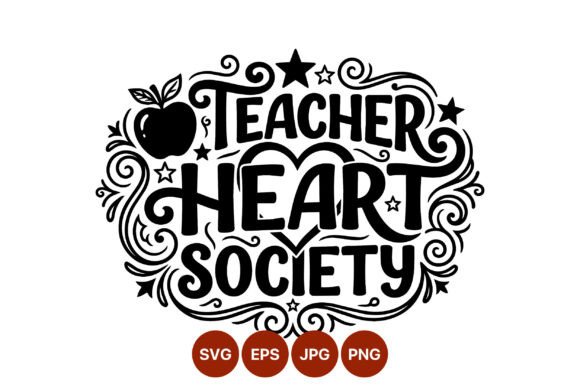
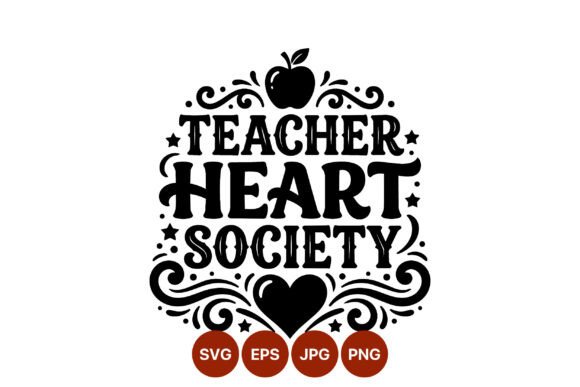
Opening the file, the mood is immediately clear: appreciative, warm, and slightly formal. The central solid heart gives it a grounded, generous feel, while the decorative swirls and stars introduce a touch of celebration. The inclusion of the apple icon, of course, anchors it squarely in the teacher appreciation niche. The layout is balanced, not overly crowded, which is a good sign for embroidery. A design with too many tiny decorative elements can become a muddy mess when stitched; this one seems to have enough breathing room between the lettering, the heart, and the accents.
This isn’t a wild, playful graphic. Its personality is respectful and heartfelt. That tells me it naturally belongs to projects meant as genuine gifts or keepsakes, not casual everyday wear. Think of a commemorative pillow for a retiring educator, a special apron for a teacher’s kitchen, or a framed embroidered piece for a classroom.
The Real-Life Embroidery Scenario: A Custom Tote Bag
Imagine you’re preparing a custom embroidered tote bag as a end-of-year gift from a class. You’ve chosen a sturdy, natural canvas. How would this design perform?
The bold, solid heart shape is a winner. It would allow for a clean fill stitch or even a simple applique approach, creating a strong visual anchor. The phrase “teacher heart society” in lettering, however, requires careful attention. In embroidery, especially on a textured fabric like canvas, small serifs or thin strokes can get lost or look broken. I’d be looking closely at the thickness of the lettering in the vector file. If it’s robust enough, a satin stitch could render it clearly and with a nice, polished sheen, adding to the gift’s perceived value. The swirls and stars are the riskiest element. They’re decorative, which is lovely in a graphic, but in stitching they become a question of density and clarity. On a tote, they might need to be simplified or stitched with a running stitch to avoid creating overly dense, stiff areas that could wear unevenly.
Where This Design Shines and Where It Needs Caution
For visual appeal and customer trust, a well-executed version of this design on a handmade product speaks of care and intention. It feels professional and specific, which boosts buyer engagement for a small shop product. It’s highly giftable and offers instant recognition.
But caution is needed in several key situations. Small hoop sizes are a definite concern. Trying to cram this entire design into a 4x4 hoop would likely compromise the detail in the lettering and swirls, making it look cramped and unclear. Textured or stretchy fabrics like some sweatshirts or thin baby knits would amplify any issues with small details. The design’s success on dark fabrics hinges entirely on your thread color choice—a high-contrast white or bright color would be essential to maintain the intended black-and-white graphic feel. On curved surfaces like caps, the symmetrical layout might need adjustment to sit correctly on the curved crown.
Practical Designer Notes for Your Project
Before you commit this design to a final product, here’s my standard advice. Always test on scrap fabric first, using the same material and stabilizer you plan for the final item. This is non-negotiable. Check the thread color contrast against your background fabric in both digital mockups and physical swatches. Review the stitch density your software generates, particularly for the solid heart and any fill areas; too dense can make fabric stiff, too sparse can look weak. Inspect the small details—the ends of the swirls, the points of the stars—in your test stitch-out. Are they clean?
Compare how it looks in a light fabric mockup versus a dark one. The mood can shift slightly. Use proper stabilizer; a design with mixed elements (lettering, solid shape, decorations) often benefits from a solid stabilizer choice to handle the varying stitch types. Finally, since this is offered as a digital embroidery file for both personal and commercial projects, confirm the licensing specifics before selling finished items or digital products derived from it. The description notes it includes SVG and PNG, which are great for printable mockups and digital previews for your Etsy listings or craft business site, but the embroidery-specific file parameters are what you need for the machine.
Affecting Your Business and Craft
From a commercial perspective, the Teacher Heart Society Lettering Vector is a strong niche asset. For a creative entrepreneur focusing on educator gifts, holiday embroidery, or school-themed boutique branding, it provides a ready-made, professional-looking centerpiece. It allows for brand consistency across a line of products—aprons, pillow covers, tea towels, patches. The handmade presentation, when stitched well, feels personal and premium.
However, its use in high-wash items like baby clothes or everyday kitchen towels requires durable stitching choices. The decorative elements might not withstand frequent agitation if they’re too delicate. For those products, consider a simplified version or emphasizing the more robust heart and apple elements.
Final Judgment: A Design with Heart, Requiring a Designer’s Eye
This isn’t a simple, blocky graphic you can just run and forget. It’s an illustration with emotional intent and structural complexity. That makes it more rewarding and more demanding. For embroidery designers and apparel decorators willing to do the test stitches and make mindful adjustments for their specific project—a sweatshirt, a tote bag, a framed nursery decor piece—it offers a beautiful, thematic result that clients and customers will genuinely appreciate. For those looking for a quick, universally easy stitch, it might prompt a second look at the detail level. But for a practical designer thinking through real use, its value lies in that very detail: it tells a clear, appreciative story, and when translated thoughtfully into thread, that story gets told beautifully.